Start with aisle, door, and turn constraints
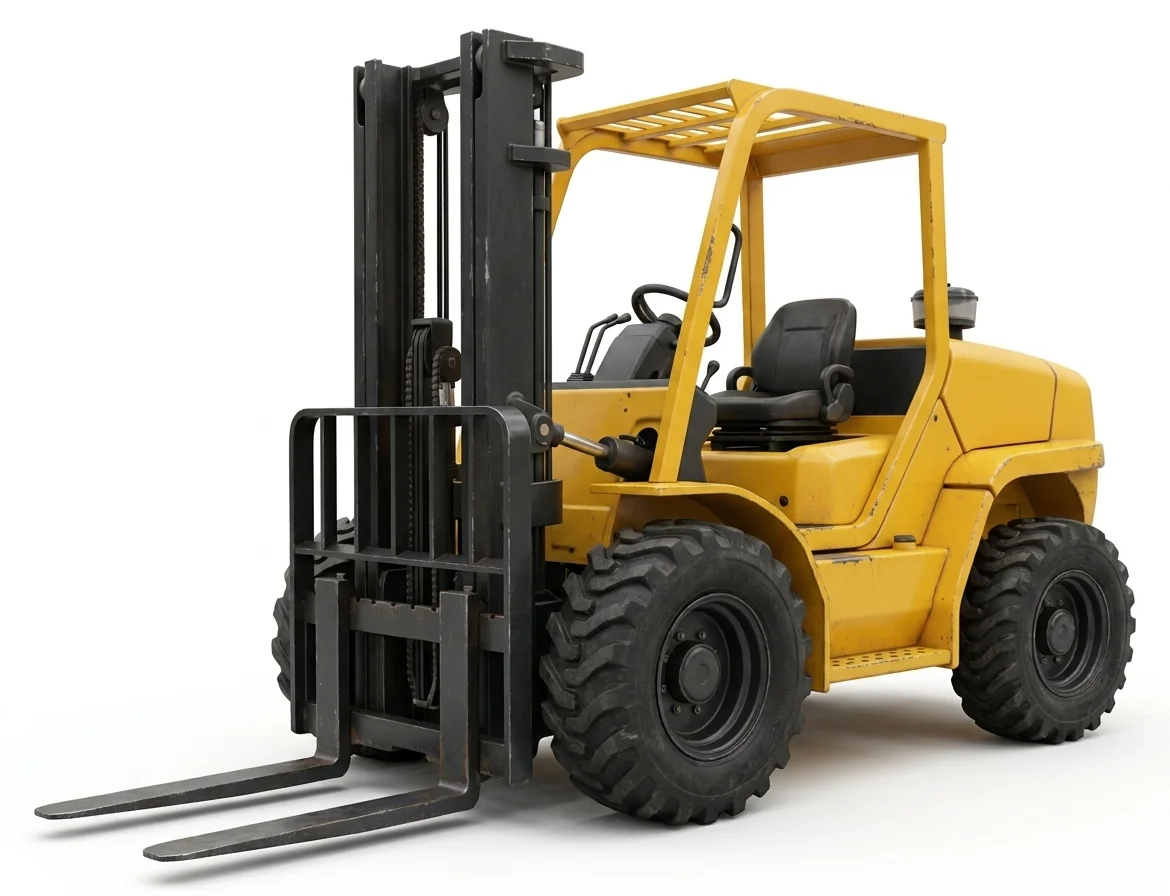
Measure the narrowest aisle, doorway, and the tightest turn. These control chassis size and steer type: - Narrow aisles with high racking push toward compact, tight-turn models - Standard aisles on smooth slabs allow larger capacities - Mixed interior-exterior routes may need pneumatic tires or dual-fuel to handle thresholds
If elevated exterior placements are part of the job, pair the forklift with a telehandler for outside staging.
Floor conditions in older buildings
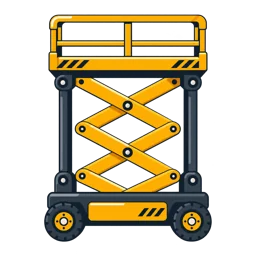
Repurposed factory floors can vary in thickness and reinforcement. Keep an eye on concentrated axle loads and point loading at thresholds and dock plates. When floor load limits are conservative, lighter units or staged transfers to vertical mast lifts and electric scissor lifts for final access reduce stress on the slab.
Power source and emissions
- Electric: Best for occupied healthcare, education, and climate-controlled storage. Requires charging access and compatible connectors.
- Internal combustion: Useful for mixed indoor/outdoor work where ventilation is managed and duty cycles are long.
Weather and surface transitions
After wet periods, exterior segments over clay can rut, affecting traction and approach to docks. Plan routes that stay on well-compacted surfaces and confirm dock approach grades to avoid undercarriage hang-ups.
Actual conditions, the selected unit’s instructions, and site procedures govern safe planning and use.
For aerial access inside high-bay areas, compare aerial lift options. For site logistics support, see storage containers and temporary fencing.