Confirm the straight-up path
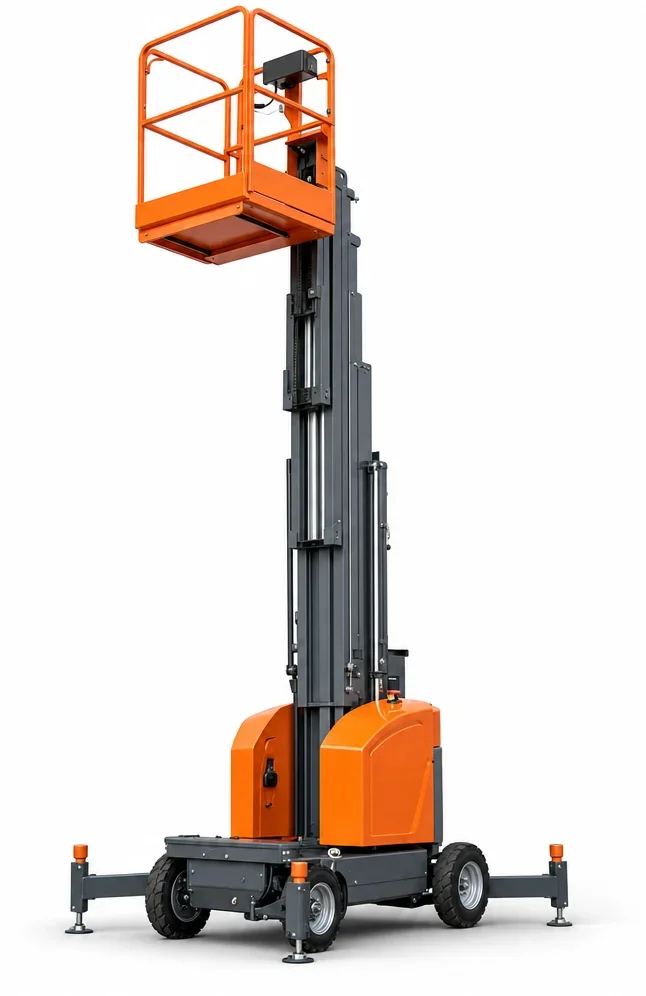
Vertical masts handle tasks that are primarily vertical with minimal outreach. Start by confirming: - Can the machine sit directly under or near the work point? - What is the narrowest doorway, corridor, or elevator car along the route? - How high is the target relative to the floor where the base will sit?
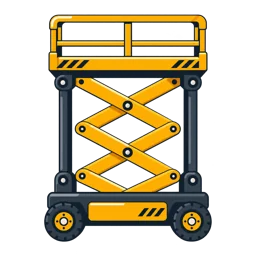
If the job requires reaching over canopies, duct chases, or machinery, consider an articulating boom. If two-person platform space is essential, compare with electric scissor lifts.
Floors and load limits in repurposed spaces
Historic industrial conversions can have variable slab strength and patchwork repairs. Vertical masts typically impose lower ground pressures than larger platforms, which helps on conservative floor ratings. For mezzanine work, confirm elevator dimensions and rated capacity before planning the route.
Local climate and indoor planning
High humidity and seasonal precipitation push more maintenance indoors during wet periods. Electric mast lifts avoid exhaust and reduce noise during occupied hours in education and healthcare environments. Non-marking tires and compact bases help protect sealed or specialty floors common in labs and clean areas.
Key measurements to collect
- Platform height needed and any minor outreach requirements
- Minimum width and turning radius along the entire path
- Floor type and condition from entry to work area
Actual conditions, the selected unit’s instructions, and site procedures govern safe planning and use.
For exterior or uneven-ground tasks, look to rough-terrain scissor lifts or boom lifts. For material staging nearby, see storage containers.